 Benzos


Description
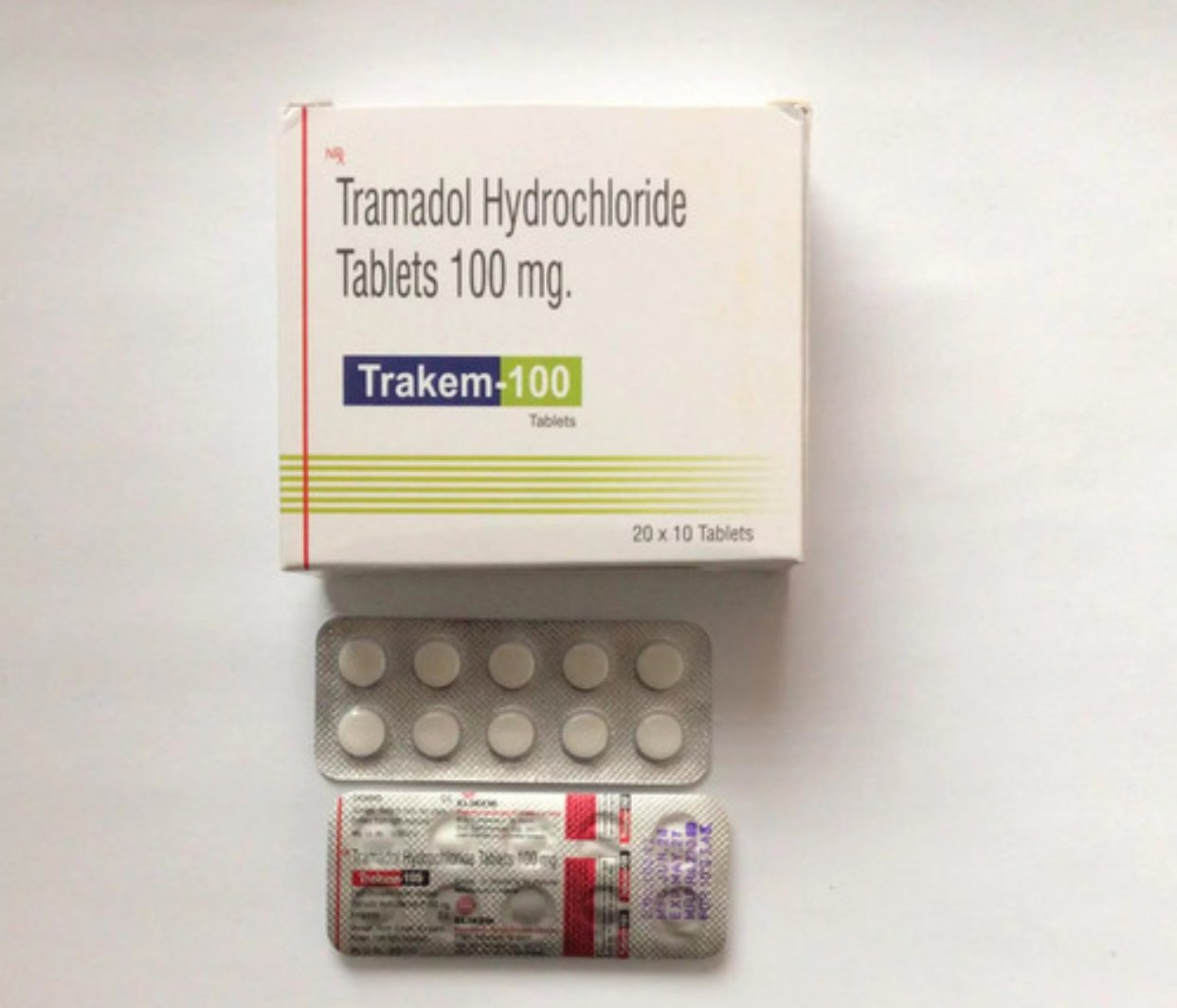
Tramadol Overview to Buy Tramadol online
Generic name: Tramadol (TRAM-a-dol)
Brand names: ConZip, Qdolo, Ultram, Ultram ER
Drug class: Narcotic (opioid) analgesic
What is Tramadol?
Tramadol is a prescription pain reliever that works in the brain and central nervous system to reduce pain sensations. It’s considered a synthetic opioid because it mimics the action of natural opioids.
This medication is prescribed for adults to manage moderate to severe pain. The extended-release (ER) version provides continuous pain relief throughout the day and is not meant for occasional or “as-needed” use.
Important Warnings
-
Tramadol may trigger seizures, especially when taken in higher-than-recommended doses or if you have a history of seizures or use certain antidepressants or other opioids.Buy Tramadol online
-
Do not use this medicine if you have thoughts of self-harm or a tendency toward addiction.
-
Avoid tramadol if you have serious breathing problems, blockages in your stomach or intestines, or have recently taken alcohol, sedatives, tranquilizers, narcotics, or MAO inhibitors (such as isocarboxazid, phenelzine, selegiline, etc.).
-
Tramadol can slow or stop your breathing and is habit-forming. Misuse may lead to addiction, overdose, or death, especially if used without a prescription. Keep it out of reach of others.
-
It must not be given to children under 12 years, or anyone under 18 who has had tonsil or adenoid surgery.
-
Pregnant women should avoid tramadol; it can cause serious withdrawal symptoms in newborns.
-
Do not combine tramadol with alcohol or other sedatives, as this can lead to life-threatening breathing problems.
Before Taking Tramadol
Avoid tramadol if you:
-
Are allergic to it.
-
Have severe asthma or other breathing issues.
-
Have a blockage in your intestines or stomach.
-
Recently used alcohol, sedatives, or narcotic drugs.
-
Have taken an MAO inhibitor within the last 14 days.
Inform your doctor if you have a history of:
-
Seizures, head injuries, or epilepsy.
-
Drug or alcohol addiction.
-
Breathing disorders such as sleep apnea.
-
Liver or kidney disease.
-
Thyroid, pancreas, or gallbladder issues.
-
Mental health problems or prior suicide attempts.
If taken during pregnancy, tramadol may cause life-threatening withdrawal in the baby. Breastfeeding is not advised since the drug may cause severe drowsiness or slow breathing in infants.
How to Take Tramadol
-
Follow your doctor’s instructions carefully.
-
Take only the prescribed dose and duration.
-
Swallow tablets or capsules whole—do not crush, chew, or dissolve them, as this may release too much drug at once and cause overdose.
-
Tramadol can be taken with or without food, but take it consistently the same way.
-
Do not share your medication with anyone.
-
If you stop taking it suddenly, you may experience withdrawal symptoms—ask your doctor how to taper off safely.
-
Store at room temperature, away from heat and moisture. Safely dispose of leftover medication (preferably via a drug take-back program).
Dosage Guidelines
Adults (17+ years):
-
Immediate-release: 50–100 mg every 4–6 hours as needed (max 400 mg/day).
-
Extended-release: Start at 100 mg once daily; increase by 100 mg every 5 days if needed (max 300 mg/day).
Elderly (over 75):
-
Use with caution. Maximum immediate-release dose: 300 mg per day.
Children:
-
Not recommended for anyone under 17 years old.
Missed Dose & Overdose
-
If you miss a dose, skip it if your next dose is near—never double up.
-
An overdose can be fatal. Symptoms include extreme drowsiness, very slow breathing, or unresponsiveness.
-
Keep naloxone (an opioid reversal drug) nearby if prescribed and ensure someone knows how to use it in an emergency.
What to Avoid
-
Alcohol – can cause dangerous side effects or death.
-
Driving or operating machinery – tramadol may cause dizziness or drowsiness.
Possible Side Effects
Seek emergency help for:
-
Allergic reactions (swelling, rash, trouble breathing)
-
Severe drowsiness or breathing that slows/stops
-
Seizures or fainting
-
Serotonin syndrome (agitation, fever, muscle stiffness, or confusion)
Common side effects include:
-
Nausea, vomiting, constipation
-
Dizziness, tiredness, or headache
-
Itching or stomach discomfort
Older adults or those with breathing disorders may be more prone to severe side effects.
Drug Interactions
Many medications can interact with tramadol, especially those that cause drowsiness or affect serotonin levels. Tell your doctor about:
-
Other opioids or sedatives (e.g., Valium, Xanax, Klonopin)
-
Antidepressants or migraine medications
-
Sleep aids or muscle relaxants
-
Antibiotics, antifungals, or heart and liver medications
-
Herbal supplements or over-the-counter drugs
Always check with your doctor before starting or stopping any new medicine.Buy Tramadol online
Reviews
There are no reviews yet.